Our years of experience and extensive network of local partners can help you build your dream trip from the endless possibilities of Ethiopia. We’ll talk through your ideas, give you some suggestions, set it all up and advise on travel, kit and preparation, so that you get the Ethiopian adventure you’ve always wanted.


The Kara People of Ethiopia are one of the fascinating indigenous communities living in the Lower Omo Valley of southwestern Ethiopia. Known for their distinctive body painting, colorful cultural traditions, traditional hairstyles, and strong connection to the Omo River, the Kara people preserve a unique way of life that attracts travelers, photographers, and cultural researchers from around the world.
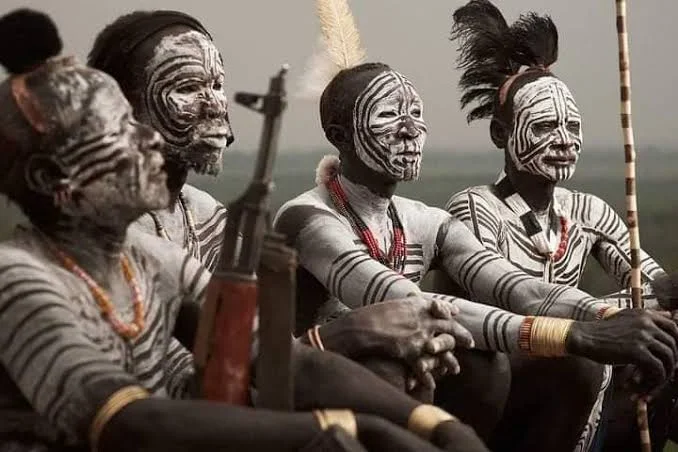
Despite their relatively small population, the Kara community has maintained its cultural identity through generations. Their traditional practices, artistic expressions, social ceremonies, and relationship with the natural environment make them an important part of Ethiopia’s cultural heritage. Visiting their villages offers an opportunity to learn about their history, everyday activities, and distinctive traditions.
The Kara is a small group of people who live on the east bank of the Omo River in the administrative region of south Omo. The total population of the Kara is around 3.000
They are surrounded by relatively wealthy and strong groups, in terms of cattle and population size. With some of these groups, the Kara has trade exchange and bond – friendship, and with some of they engaged in raids and counter-raids.
“The kara and bashada come together from Ari long time ago at those times, water could hardly be found in this area here and watering cattle was difficult. And it was a drought season also the place where they live is called “Atula” it is dessert nowadays people call it “Assile” (Susanne Epple).
While the people were looking for water one of their cows disappeared for several days when it returned it had obviously drunk water after a day of so the cow left the herd again and when some men followed it through the bush they eventually found the Omo River when the cow had gone to drink.
When the men told their group that they had found water, part of the group decided to move on and settle next to the river. And they were divided into two groups From then on they were called “Kara” those who “eat fish” others were too exhausted to reach the river and decided to stay in the hilly region behind. They were from then on called the “Bashada” the exhausted ones who stay behind.
The Kara speaks a south omotic language, a dialect of that spoken by the Hamar and banna. They use the name Karo repair to themselves and their land. Their neighbors, especially Hamar, banna,bashada, and Nyangatom know them by the name Kara the term which means fish. In the language of the Kara.
The Kara call their language “Kara – appo” means “the mouth of Kara”
As far as their origins are concerned it has been suggested that the culture of the Kara is another variation of the Hamar and that the people belong: culturally and historically to the Hamar,Banna and Bashada groups.
The Kara People of Ethiopia are one of the fascinating indigenous communities living in the Lower Omo Valley of southwestern Ethiopia. Known for their distinctive body painting, colorful cultural traditions, traditional hairstyles, and strong connection to the Omo River, the Kara people preserve a unique way of life that attracts travelers, photographers, and cultural researchers from around the world.
Despite their relatively small population, the Kara community has maintained its cultural identity through generations. Their traditional practices, artistic expressions, social ceremonies, and relationship with the natural environment make them an important part of Ethiopia’s cultural heritage. Visiting their villages offers an opportunity to learn about their history, everyday activities, and distinctive traditions.
Who Are the Kara People of Ethiopia?
The Kara, also known as the Karo, are a small ethnic community living along the eastern banks of the Omo River in southern Ethiopia. They are closely connected to the wider cultural landscape of the Lower Omo Valley, a region famous for its diverse ethnic groups and traditional lifestyles.
The Kara community is particularly recognized for its artistic traditions, colorful body decorations, and cultural ceremonies. Although their population is relatively small compared with neighboring communities, they have developed distinctive customs that reflect their history, environment, and social relationships.
Where Do the Kara People Live?
The Kara people primarily inhabit villages along the eastern side of the Omo River, particularly around Duss, Korcho, and other settlements in the Lower Omo region.
Their communities are surrounded by beautiful natural landscapes, including riverbanks, grasslands, and seasonal agricultural areas. The Omo River plays an important role in their daily lives, providing water, supporting agriculture, and shaping their traditional settlement patterns.
Korcho village is one of the well-known places where visitors can experience Kara culture while enjoying impressive views of the Omo River and surrounding landscape.
Kara Culture and Traditional Lifestyle
The traditional lifestyle of the Kara people is closely connected to their natural environment. Farming, livestock keeping, fishing, and gathering natural resources contribute to their livelihoods.
Agriculture is especially important, with communities cultivating crops such as sorghum and maize depending on seasonal rainfall and river conditions. Livestock, including cattle and goats, also play an important role in household life and social traditions.
Family and community relationships are central to Kara society. Traditional knowledge, cultural values, and everyday skills are passed from one generation to another through family life, social interaction, and community ceremonies.
Traditional Body Painting and Artistic Expressions
One of the most recognizable features of the Kara people is their beautiful body painting. Men, women, and children decorate their bodies and faces using natural pigments, creating distinctive patterns and artistic designs.
White chalk and other natural materials are commonly used to produce decorative patterns. These designs may include dots, lines, and geometric shapes inspired by the surrounding environment and traditional artistic expressions.
Body painting is more than decoration. It represents creativity, cultural identity, personal expression, and participation in community life. Visitors are often fascinated by the artistic skills and imagination displayed in these traditional designs.
Traditional Clothing and Hairstyles
Traditional clothing among the Kara people reflects their environment, cultural values, and everyday activities. Clothing styles may vary depending on age, gender, personal preferences, and special occasions.
Beaded ornaments, necklaces, bracelets, and other accessories are important elements of traditional appearance. Hairstyles can also carry cultural significance and reflect individual identity.
During celebrations and special ceremonies, community members may wear distinctive decorations and traditional accessories that highlight their cultural heritage.
Marriage and Family Life
Marriage and family relationships are important aspects of Kara society. Families play a central role in raising children, sharing responsibilities, maintaining traditions, and passing cultural knowledge to younger generations.
Traditional marriage customs and social relationships help strengthen connections between families and the wider community. Livestock and other forms of wealth may also have social and cultural importance in family relationships.
Community gatherings provide opportunities for people to maintain friendships, discuss important matters, and celebrate significant events.
Agriculture and the Importance of the Omo River
The Omo River is essential to the traditional economy and everyday life of the Kara people. Its surrounding fertile land supports seasonal farming, while the river and nearby natural resources contribute to household livelihoods.
Sorghum and maize are among the important crops cultivated in the region. Farming activities depend heavily on seasonal conditions, rainfall, and the availability of water.
The surrounding environment also provides grazing areas for livestock and natural resources used in daily activities. This close relationship with the landscape demonstrates how the Kara people have adapted their traditional lifestyle to the Lower Omo Valley.
Cultural Ceremonies and Social Traditions
The Kara people maintain distinctive cultural celebrations and social practices that bring community members together. Traditional ceremonies may involve music, dancing, body decoration, and communal gatherings.
These events provide opportunities to strengthen social relationships, express cultural identity, and celebrate important moments in community life.
The surrounding Lower Omo region is also known for traditional ceremonies among neighboring communities. However, each ethnic group maintains its own customs and cultural practices, making the region exceptionally diverse.
Visiting the Kara People in Ethiopia
Visiting the Kara people is an unforgettable cultural experience for travelers interested in Ethiopia’s indigenous communities. A journey to their villages offers opportunities to learn about traditional lifestyles, appreciate artistic body painting, and discover the natural beauty of the Lower Omo Valley.
Korcho village is particularly interesting because of its location overlooking the Omo River. Travelers can enjoy beautiful landscapes while learning about local traditions through respectful interaction with community members.
Visitors should travel with a knowledgeable local guide, respect community customs, and always request permission before taking photographs. Supporting locally organized tourism activities can also contribute to community livelihoods.
Best Time to Visit the Kara Villages
The best time to explore the Lower Omo Valley generally depends on weather conditions, road accessibility, and seasonal activities. The drier months are often more convenient for traveling between villages and exploring the surrounding landscapes.
However, weather conditions can change, and road access may vary throughout the year. Travelers should consult local tour operators before planning their visit.
Why Visit the Kara People with Ethiopian Expedition?
Ethiopian Expedition offers opportunities to discover the cultural richness and natural beauty of southern Ethiopia. Exploring the Kara villages can be part of a wider Omo Valley journey that introduces travelers to the region’s diverse communities, landscapes, and traditions.
With local guidance and carefully organized travel experiences, visitors can learn more about the Kara people while exploring one of Ethiopia’s most remarkable cultural destinations.
Discover the Kara People of Ethiopia and experience the fascinating cultural heritage of the Lower Omo Valley on your next Ethiopian adventure.

