Our years of experience and extensive network of local partners can help you build your dream trip from the endless possibilities of Ethiopia. We’ll talk through your ideas, give you some suggestions, set it all up and advise on travel, kit and preparation, so that you get the Ethiopian adventure you’ve always wanted.


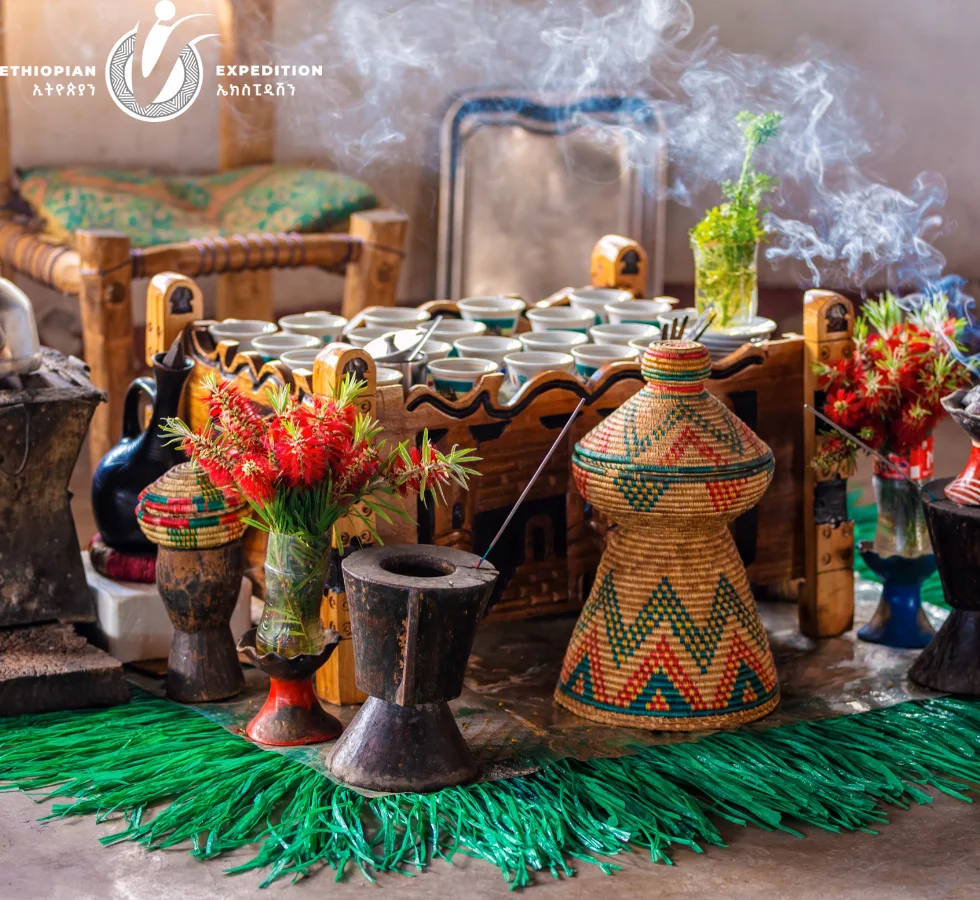
Ethiopian festivals explained in a clear way show why this country’s religious celebrations are some of the most colorful in Africa. These living traditions combine ancient Orthodox Christian rituals, music, dance and dramatic processions that turn streets and church courtyards into seas of white cotton, incense smoke and flickering candlelight. Meskel, Timket, Enkutatash and Ethiopian Christmas (Genna) give travelers rare front-row access to centuries-old faith and community life that still shapes daily culture in Ethiopia.
For many visitors, these festivals are a main reason to plan Ethiopia tours instead of choosing a more typical safari or beach destination. Travelers can watch Meskel bonfires blaze in busy city squares, see Timket processions carry sacred tabots toward water, join families celebrating Enkutatash as the countryside turns bright green or witness all-night Genna services around Lalibela’s rock-hewn churches. Because each celebration is tied to the unique Ethiopian calendar, planning Ethiopia tour packages around festival dates helps guests experience the country at its most vibrant and welcoming.
Ethiopian Expedition positions itself as a local Ethiopia tour company that understands these festivals from the inside. The team designs flexible, affordable festival-focused itineraries for solo travelers,couples, families and small groups who want guidance without losing freedom. As local Ethiopia tour specialists, Ethiopian Expedition can time arrivals to key ceremonies, arrange knowledgeable guides and adapt each plan to personal interests, whether faith, photography or culture. This local expertise helps the brand stand out for travelers searching for the best tour company in Ethiopia for festival tours.
Throughout this guide, Ethiopian festivals explained will not just describe what happens but show how each celebration feels on the ground. The content will link each event to practical route ideas, suggested trip lengths and realistic budgets. By doing this, readers looking for Ethiopia tours and Ethiopia tour packages can quickly see how a trusted, on-the-ground operator like Ethiopian Expedition turns festival dates into unforgettable journeys, strengthening the brand’s position as the best tour company in Ethiopia for festival tours.
When Do Ethiopia’s Major Festivals Happen?
Ethiopia’s major religious festivals follow the Ethiopian calendar, so they often fall on different dates than holidays in the rest of the world. Meskel, Timket, Enkutatash and Ethiopian Christmas (Genna) usually happen on fixed days each year, with a one-day shift in leap years. Understanding this timing makes it much easier to plan Ethiopian festivals explained style itineraries and book Ethiopia tours around the exact celebrations you want to experience.
Meskel, which commemorates the Finding of the True Cross, is celebrated on 17 Meskerem in the Ethiopian calendar, corresponding to 27 September in the Gregorian calendar, or 28 September in a leap year. This date comes just after the rainy season, when countryside flowers bloom and cities like Addis Ababa feel especially vibrant, making it an attractive moment to build Ethiopia tour packages that include Meskel bonfires and processions.
Timket, the Ethiopian Epiphany, falls on 11 Terr in the Ethiopian calendar, which is usually 19 January, or 20 January in leap years. Celebrations stretch over several days, with the eve of Timket (Ketera) on 18 January leading into the main water blessing on 19 January, so festival-focused Ethiopia tours need to allow time for both the night processions and the morning ceremonies.
Enkutatash, the Ethiopian New Year, is celebrated on 1 Meskerem, which corresponds to 11 September, or 12 September in a leap year. This date marks the end of the rainy season and the start of spring-like weather in much of the country, giving travelers a fresh, green backdrop when they choose Ethiopia tour packages timed with New Year festivities.
Ethiopian Christmas, known as Genna, takes place on 7 January according to the Gregorian calendar, reflecting Ethiopia’s continued use of the older Julian calendar for church festivals. In Lalibela, Genna can fall on 7 or 8 January during leap-year adjustments, but across most of the country it is celebrated on 7 January, which helps visitors and tour planners lock in dates for Christmas-focused Ethiopia tours.
Meskel Festival Explained
Meskel is one of the most important Christian holidays in Ethiopia and a cornerstone of Ethiopian festivals explained content because it combines deep spiritual meaning with spectacular public celebration. The festival commemorates the Finding of the True Cross, linking modern Ethiopia to the fourth‑century story of Saint Helena, whose bonfire smoke is believed to have pointed to the burial place of the Cross.
According to tradition, Meskel means “cross” in Ge’ez and is celebrated every year on 27 September, or 28 September in a leap year, following the Ethiopian calendar. UNESCO has recognized Meskel as part of the Representative List of the Intangible Cultural Heritage of Humanity, which highlights its role in promoting unity, continuity and shared identity among Ethiopian communities. This recognition also strengthens the appeal of Ethiopia tours for travelers who want to experience living heritage rather than museum culture.

The heart of Meskel is the Demera, a huge bonfire built from stacked branches and decorated with yellow adey abeba daisies that bloom after the rainy season. On the eve of the festival, clergy, Sunday school students and local communities gather in large squares, especially Meskel Square in Addis Ababa, singing spiritual songs, ululating and circling the unlit pyre with candles and processional crosses. As darkness falls, the bonfire is set alight and the flames rise into the night sky, symbolizing the guiding fire that led to the True Cross and expressing hopes for light, renewal and blessing in the year ahead.
For visitors, Meskel offers a vivid introduction to Ethiopian festivals explained in real life, with crowds dressed in white cotton, priests in colorful robes and thick incense perfuming the air. Many families also mark the day with special meals and home gatherings, while some communities use ash from the Demera to mark crosses on foreheads as a sign of devotion and protection. Because of its intensity and visual drama, Meskel is a perfect anchor for Ethiopia tours that combine festival time in Addis Ababa with Historic Route highlights, giving travelers both a major celebration and deeper cultural context in a single itinerary.
Timket (Epiphany) Explained
Timket is Ethiopia’s celebration of Epiphany and one of the most powerful examples of Ethiopian festivals explained in action. It commemorates the baptism of Jesus Christ in the River Jordan, and the whole festival revolves around water, blessing and spiritual renewal. The word “Timket” itself comes from Ge’ez and means “baptism” or “immersion,” capturing the heart of the rituals that take place across cities and villages each January.
The festival begins on the eve of Timket, known as Ketera, when priests carry the tabot, a sacred replica of the Ark of the Covenant, from each church to a nearby body of water. Wrapped in richly colored cloth and shaded by bright ceremonial umbrellas, the tabot leads a long procession of clergy, deacons, choirs and thousands of worshippers dressed in white traditional clothing. Streets fill with the sound of drums, sistra rattles, ululations and hymns as this human river moves slowly toward the water, where the tabot will rest overnight in a special tent while prayers and chanting continue.

On the morning of Timket, priests bless the water in a dramatic ceremony that reenacts Christ’s baptism. After the blessing, many believers step forward to be sprinkled with the holy water or, in some places, plunge in completely as a sign of renewal and the washing away of sins. For visitors, this moment is often the emotional peak of Timket, because it combines intense devotion with vivid color, movement and sound that define Ethiopia tours built around religious festivals.
Different cities offer different Timket experiences, which helps travelers choose the right Ethiopia tour packages for their style. Gondar is famous for celebrations around the Fasilides Bath, where the water blessing and mass immersion create unforgettable scenes inside a historic stone pool. Lalibela provides a more intimate but deeply spiritual atmosphere around its rock‑hewn churches, while Addis Ababa hosts large, accessible ceremonies that fit easily into shorter Ethiopia tours starting and ending in the capital.
Enkutatash (Ethiopian New Year) Explained
Enkutatash is the Ethiopian New Year and one of the most joyful moments in the Ethiopian calendar. It falls on 1 Meskerem, which usually corresponds to 11 September, or 12 September in a leap year, marking both the start of the year and the end of the rainy season. At this time the highlands turn bright green and are covered with yellow adey abeba daisies, so the whole country feels fresh, hopeful and ready for a new beginning.

The word “Enkutatash” means “gift of jewels” in Amharic and comes from a legend about the Queen of Sheba. According to tradition, she returned to Ethiopia after visiting King Solomon in Jerusalem, and her chiefs welcomed her home by filling her treasury with jewels, a story that links Enkutatash with gratitude, generosity and renewal. Today, the holiday still carries that sense of blessing and fresh start, which is why it plays a key role in Ethiopian festivals explained content and inspires many travelers to plan Ethiopia tours in early September.
Enkutatash celebrations blend church traditions with family and community customs. The day usually begins with morning services, psalms and hymns, then families gather at home to share injera with rich wat stews, coffee ceremonies and sometimes homemade beer, reflecting both faith and hospitality. In towns and villages, people dress in new or freshly washed white cotton clothes, and streets fill with music, dancing and friendly visits between neighbors.
Children are at the heart of Enkutatash, which makes this festival especially warm for visitors to experience. Young girls, often in white dresses, collect adey abeba flowers and go house to house offering small bouquets and singing New Year songs in return for a little money, bread or sweets. Boys may present hand‑painted pictures of saints or New Year scenes, so the celebration turns into a day of creativity and simple exchanges that underline the “gift of jewels” idea in everyday life.
For travelers, Enkutatash offers a softer, more family‑focused side of Ethiopian festivals explained compared with the huge crowds of Meskel or Timket. It is an ideal moment to include Addis Ababa city tours, nearby countryside escapes or longer Ethiopia tour packages that combine New Year festivities with nature in the Rift Valley lakes or the green highlands.
Ethiopian Christmas (Genna) Explained
Ethiopian Christmas, known as Genna, is one of the most sacred and atmospheric festivals in the Ethiopian Orthodox calendar. It is celebrated on 7 January, following the country’s use of an older calendar system, so it falls about two weeks after Western Christmas. The name Genna is linked to the word “Gennana,” often explained as “imminent,” expressing the coming of Christ and the joy of liberation from sin.
In the 43 days before Genna, many Orthodox Christians observe an Advent fast called Tsome Nebiyat, or the Fast of the Prophets. During this time, people typically avoid meat and dairy products and eat one main vegan meal later in the day, using fasting as a way to prepare body and soul for the celebration of Christ’s birth. This long, reflective build‑up makes the shift into feast and celebration on Genna day feel especially powerful.

Genna celebrations begin with an overnight church vigil on the eve of the festival. Worshippers dressed in white traditional clothing gather around churches, listening to ancient hymns, drum beats and sistra rattles as clergy lead prayers and liturgical chants that have been passed down for centuries. At key moments, the tabot, a sacred representation of the Ark of the Covenant, is carried in procession around the church, accompanied by candles, incense and ululations from the crowd.
On the morning of Ethiopian Christmas, people attend a long mass, often standing for several hours as priests and debteras continue the chanting and readings. When the service ends, the mood changes from solemn to festive as families return home to break the fast with rich meat stews, injera, traditional drinks and long coffee ceremonies shared with relatives and neighbors. Houses and streets fill with greetings, laughter and the smell of roasting coffee, giving Genna a warm, communal atmosphere that many visitors find unforgettable.
In rural areas, one of the most distinctive traditions is Ye Genna Chewata, a fast‑paced game similar to field hockey played with curved wooden sticks and a hard wooden ball. Legend says shepherds started this game out of joy when they heard about the birth of Jesus, and today it continues as a symbol of freedom, equality and shared happiness during the Christmas season. Watching or joining a Genna game adds a lively, playful side to Ethiopian festivals explained content that might otherwise focus only on church rituals.
Lalibela is especially famous for Ethiopian Christmas, drawing thousands of pilgrims and visitors who gather around its rock‑hewn churches. All‑night vigils, candlelit processions and the sight of priests standing on the edges of stone churches singing in Ge’ez create a dramatic setting that feels both ancient and intensely alive. For travelers planning Ethiopia tours, timing a trip for Genna in Lalibela or combining it with other historic sites is one of the most powerful ways to experience the spiritual heart of the country.
Combining Festivals: Meskel, Timket, Enkutatash & Genna on One Trip
Combining more than one major religious festival in a single journey is one of the smartest ways to experience Ethiopian festivals explained in real life. Peak festival season runs roughly from late September to January, so the calendar naturally invites longer Ethiopia tours that move from one celebration to the next while the weather is dry and the highlands are green. By planning carefully, travelers can link Meskel, Timket, Enkutatash and Genna into one extended route or choose a shorter itinerary that focuses on two highlight festivals in the same trip.
The most practical combinations depend on how much time you have. For a September journey, Enkutatash on 11 September and Meskel on 27 September fall close enough together that a three‑to‑four‑week itinerary can cover both, weaving in the Historic Route, Simien Mountains or Rift Valley lakes between celebrations. For a January journey, many festival‑focused Ethiopia tour packages pair Genna on 7 January with Timket on 19 January, giving travelers around ten to fifteen days to move from Lalibela’s Christmas vigils to Gondar’s famous Timket processions at Fasilides’ Bath or to ceremonies in Addis Ababa.
Festival‑themed Ethiopia tours often follow a loop that balances big events with quieter cultural stops and scenery. A typical multiple‑festival route might start in Addis Ababa for Enkutatash, head north through Bahir Dar and Lake Tana monasteries, continue to Gondar and the Simien Mountains, then reach Lalibela for Genna before returning south for Timket in the capital or back in Gondar. This style of planning keeps travel days manageable and lets visitors catch their breath between crowded ceremonies while still enjoying markets, coffee ceremonies and everyday life in different regions.
Because these celebrations attract both local pilgrims and international visitors, it is important to treat festival planning almost like event travel. Flights, good guesthouses and experienced guides book out early, especially in Lalibela and Gondar, so travelers who want to combine Meskel and Timket or Enkutatash and Genna should reserve their Ethiopia tour packages several months in advance. Working with a specialist Ethiopia festival tours operator helps with date calculations, internal connections and realistic pacing, making it easier to turn a calendar of separate holidays into one coherent, once‑in‑a‑lifetime journey through Ethiopia’s living traditions.
Practical Travel Tips for Festival Tours in Ethiopia
Festival tours in Ethiopia are unforgettable, but a little preparation makes them smoother, safer and more respectful. These travel tips focus on what to wear, how to behave and how to plan your Ethiopia tours around Meskel, Timket, Enkutatash and Genna.
What to wear at Ethiopian festivals
Modest, comfortable clothing is essential, especially at church services and processions. Aim for lightweight, breathable layers that cover shoulders and knees, plus a warmer layer for cool evenings in the highlands. White cotton outfits or a simple white scarf or netela help you blend in during Timket and Meskel, where many Ethiopians dress in traditional white for religious ceremonies. Comfortable closed shoes are important because you will walk and stand for long periods on uneven ground.
Respectful behavior and photography
Ethiopia is deeply religious, so treat festivals as sacred events first and photo opportunities second. Avoid pushing into crowds, speak quietly near clergy and follow local cues about when to sit, stand or make the sign of the cross. Always ask permission before taking close-up photos of individuals, especially priests, elders and children, and never use flash inside churches or during night vigils unless a guide confirms it is acceptable. Joining in chants, clapping or trying festival food is usually welcomed, but keep alcohol and public displays of affection away from religious spaces.
Packing essentials for festival season
Pack light but include a few “musts” for crowded, high-altitude celebrations. Bring a reusable water bottle, sun hat, sunscreen and sunglasses for long hours outdoors, plus a small daypack, hand sanitizer and basic first-aid kit. Insect repellent, any prescription medicines, photocopies of your passport and travel insurance details should stay with you, not in checked luggage, to avoid problems if bags are delayed. A lightweight scarf or shawl is incredibly useful for both sun protection and quick modesty when entering churches or standing close to clergy.
Safety, security and crowd awareness
Security situations in some Ethiopian regions can change, so check up-to-date government travel advice and talk with a trusted local Ethiopia tour company before finalizing routes. Major religious festivals in main centers are generally considered safe when you stay with your guide, avoid protests and follow local instructions, but you should still keep valuables out of sight and use money belts or neck pouches in crowds. At large gatherings like Timket in Gondar or Meskel in Addis Ababa, agree on a meeting point with your guide in case you get separated, and avoid staying out very late on your own.
Planning, bookings and local guides
Festival dates use the Ethiopian calendar, so align your flights and Ethiopia tour packages carefully with local advice to avoid missing the main ceremonies by a day. Because Meskel, Timket and Genna are peak times, book flights, hotels and guides at least 6–8 months ahead, especially for high-demand places like Lalibela and Gondar. Working with an experienced local Ethiopia tour operator means you get realistic timing, reserved viewing spots where possible and on-the-ground updates if schedules shift, which is vital for smooth Ethiopian festivals explained style itineraries.
Why Book Your Festival Trip with a Local Ethiopia Tour Company?
Booking your festival trip with a local Ethiopia tour company turns complex calendars and crowded celebrations into a smooth, immersive experience. Local operators understand how Meskel, Timket, Enkutatash and Genna actually work on the ground, so your Ethiopian festivals explained itinerary aligns with real ceremony times rather than guesswork.
Deeper cultural insight at festivals
Local guides explain the meaning behind rituals, chants and processions in real time, which is essential when you are watching events like Timket water blessings or Meskel bonfires for the first time. They can translate conversations, share personal stories and introduce you to local families, turning Ethiopia tours into genuine cultural exchanges instead of surface‑level sightseeing. This deeper context helps festival moments stay with you long after the trip ends.
Safer, smoother logistics in busy seasons
Festival travel in Ethiopia involves road closures, large crowds and shifting schedules, so having a local Ethiopia tour company manage logistics saves time and stress. Operators know current safety conditions, reliable drivers and realistic travel times between places like Addis Ababa, Gondar and Lalibela, which reduces the risk of missing a key ceremony because of traffic or outdated information. Pre‑arranged transport, hotels and internal flights are especially valuable around peak dates for Meskel, Timket and Genna.
Better access, viewpoints and flexibility
Local festival specialists understand where to stand, when to arrive and how to move with the crowd without blocking worshippers or missing the main action. They can suggest alternative viewpoints if a site is packed, adjust start times for sunrise or night vigils and rearrange sightseeing blocks when ceremonies run long. This flexibility is hard to match with fixed, overseas‑designed Ethiopia tour packages that do not adapt to local realities.
Custom itineraries for multiple festivals
When you want to combine festivals such as Genna and Timket or Enkutatash and Meskel, a local Ethiopia tour company can stitch dates and destinations into one coherent route. They calculate festival days in the Ethiopian calendar, then build in rest days, market visits or nature stops between big events so the trip feels balanced instead of rushed. This kind of customization is especially important for travelers who want Ethiopia tours tailored to photography, faith, family travel or specific budgets.
Supporting local communities and responsible travel
Booking with a local Ethiopia tour operator keeps more of your trip cost inside the country, supporting guides, drivers, small hotels and community projects. Many established companies follow responsible travel practices, limiting crowding at sensitive sites and encouraging respectful behavior at churches and festival grounds. This approach means your Ethiopian festivals explained journey is not only memorable, but also contributes positively to the places and people that make the celebrations possible.
Choosing the Right Ethiopia Tour Package for Your Festival Experience
Choosing the right Ethiopia tour package for your festival experience starts with matching specific celebrations to your travel style, budget and dates. Ethiopian festivals explained content helps you understand what happens at Meskel, Timket, Enkutatash and Genna, but the best tour package turns that knowledge into a realistic, day‑by‑day itinerary.
Start with your main festival goals
Begin by deciding which festival or combination of festivals matters most to you, then look for Ethiopia tours that are built around those exact dates. For example, if you dream of all‑night Christmas vigils in Lalibela, prioritize Genna‑focused packages, while travelers who want dramatic water blessings and processions should center their plans on Timket in Gondar or Addis Ababa.
Match trip length and pacing to festival intensity
Festival days are long, crowded and emotional, so choose Ethiopia tour packages that balance big events with slower sightseeing days. Short trips of 7–10 days work well for one main festival plus a few historic sites, while longer two‑ to three‑week itineraries are better for combining celebrations like Genna and Timket or Enkutatash and Meskel. Check that the itinerary includes time to recover after night vigils and space for markets, viewpoints and coffee ceremonies, not just back‑to‑back ceremonies and transfers.
Decide your comfort level and budget
Ethiopia tours range from budget guesthouses and shared vehicles to mid‑range hotels and private 4x4s, so pick a comfort level that still leaves room in your budget for internal flights and festival surcharges. Higher‑end festival packages often include better‑located hotels in Lalibela or Gondar and more flexible transport, which can make a big difference when streets are closed or ceremonies run late. Always compare what is included: accommodation standard, meals, domestic flights, entrance fees, local guides and airport transfers.
Choose a specialist, local‑led operator
For Ethiopian festivals explained style trips, look for an Ethiopia tour package designed or operated by a local company with clear experience in Meskel, Timket, Enkutatash and Genna. Check how long they have been running festival tours, read independent reviews and confirm that guides are licensed, knowledgeable and comfortable explaining religious traditions in clear English. A good operator will adjust times around actual ceremony schedules, advise on dress codes and help you navigate crowds safely and respectfully.
Align dates with the Ethiopian calendar
Finally, make sure your chosen Ethiopia tour package uses correct Ethiopian calendar dates for each festival and clearly states which key ceremonies you will attend. Ask for a day‑by‑day plan that shows when you arrive in each festival city, where you will be during the main event and how early you need to reach viewing points. When these details line up, you can book with confidence, knowing that your festival‑focused Ethiopia tours will deliver the experiences you have seen in Ethiopian festivals explained guides rather than just approximations of the real thing.
How to Book Your Ethiopian Festival Tour with Ethiopian Expedition
Booking your Ethiopian festival tour with Ethiopian Expedition is simple and traveler‑friendly. Visit the Ethiopian Expedition website to browse sample Ethiopia tours and festival‑focused Ethiopia tour packages, then choose the itinerary that matches your preferred festivals and travel dates.
From there, use the contact form, WhatsApp or email displayed on the site to share your dates, group size, budget and which festivals you want to experience, such as Meskel, Timket, Enkutatash or Genna. A local travel specialist from this best tour company in Ethiopia for festival tours will respond with a tailor‑made proposal, refine the plan with you and confirm your booking once you approve the final itinerary and payment terms.
